


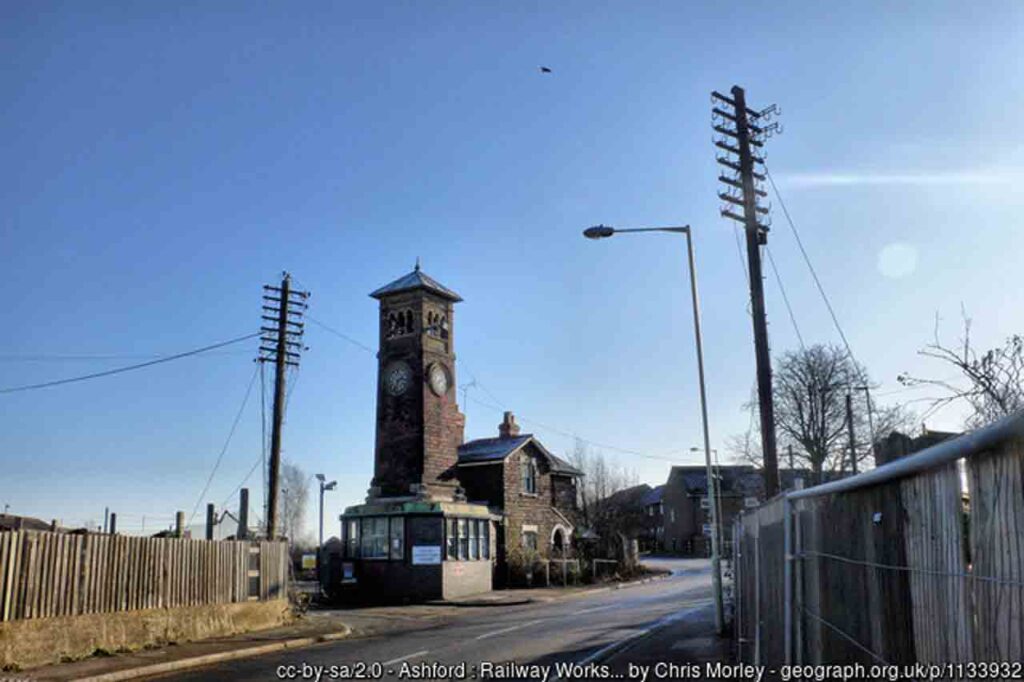
Ashford Railway Works Image: Chris Morley
ASHFORD — A century after the 1926 General Strike brought the nation to a standstill, Ashford Museum has launched a commemorative exhibition exploring the town’s pivotal role in Britain’s only national strike. The display charts the historic movement from its origins in the coal crisis to its profound impact on the daily lives of local residents.
As a major hub for the Victorian-era railway network, Ashford became a primary focus for national authorities during the nine-day standoff. Government officials monitored the town closely to determine if the rail infrastructure could remain operational without its highly trained, unionised workforce. Despite the high stakes, the local movement was characterised by its discipline and organization rather than conflict.
The exhibition highlights how the community transformed during the strike through mass meetings, marches to Victoria Park, and large-scale fundraising efforts. The town’s response was defined by mutual aid, with residents adhering to slogans like “buy only what is required” to stretch resources. Women took centre stage in the effort, coordinating “Help the Miners” campaigns, strike dances, and relief funds to support struggling families.
While the national strike concluded after just nine days, the exhibition emphasises that the miners’ struggle persisted for months afterward. This legacy eventually reshaped British labour laws and trade unionism for the next century. By blending national history with local personal accounts, the museum demonstrates why the event remains a cornerstone of working-class memory.
Visitors can view the display at the Ashford Museum, located in the churchyard opposite St Mary’s Church. The museum is open to the public Tuesday through Saturday, from 11am to 2pm, through October.
The Mayor of Ashford, Cllr Lyn Suddards, said:
“We held a marvellous launch event, which brought together history lovers, filmgoers trade unionists and politicians from across all parties. It was humbling to hear from the legendary Ken Loach to introduce his 1971 film General Strike. He particularly appreciated our new local history boards and was a captivating speaker.
“Historian Simon Renton and President of the GMB Union, Barbara Plant also spoke about the
historical and current relevance of trade unionism. The Deputy Lord Lieutenant Geraldine Allison
said how much she had learned and how much she had enjoyed the event.”